
Maybe you’ve bought a used excavator from a dealer in another country. Or you’ve made the winning bid on equipment from a recently closed factory thousands of miles away. There are many reasons for shipping machinery overseas, many decisions to make along the way, and many opportunities to ensure trouble-free, cost effective transit – if you have the necessary capabilities.
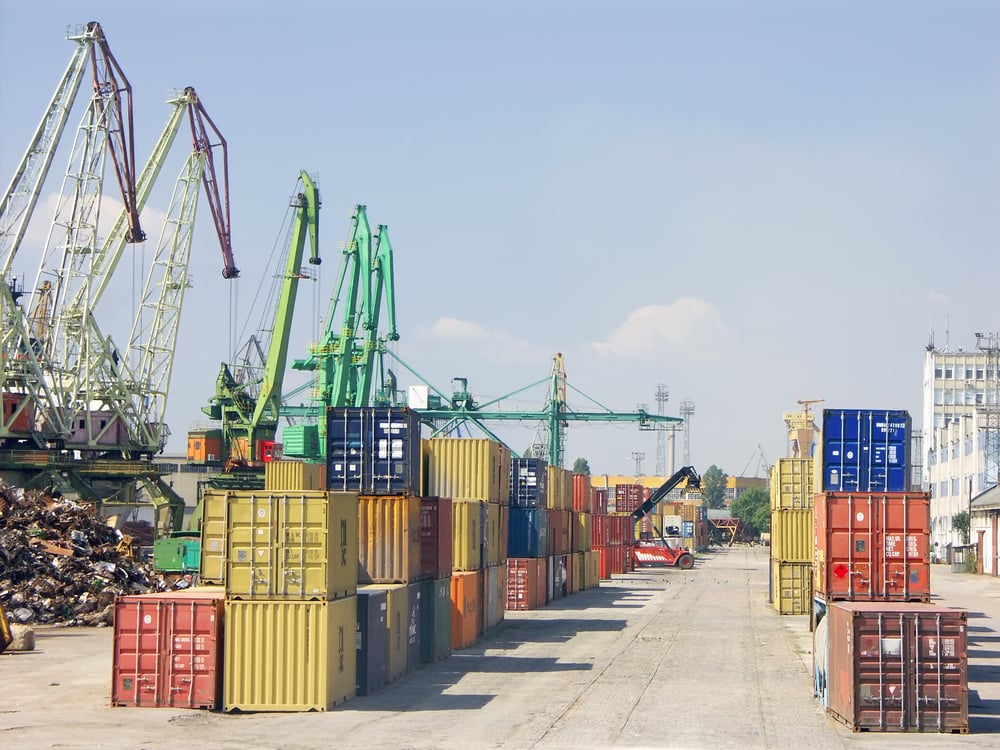
Exporting commodities to the U.S. for manufacturing involves a complex set of logistics. The goods must be properly loaded and secured in a container for the entire journey. But what about the many instances where the receiver (i.e., U.S.-based manufacturer), due to physical limitations or site restrictions, cannot accept container loads?

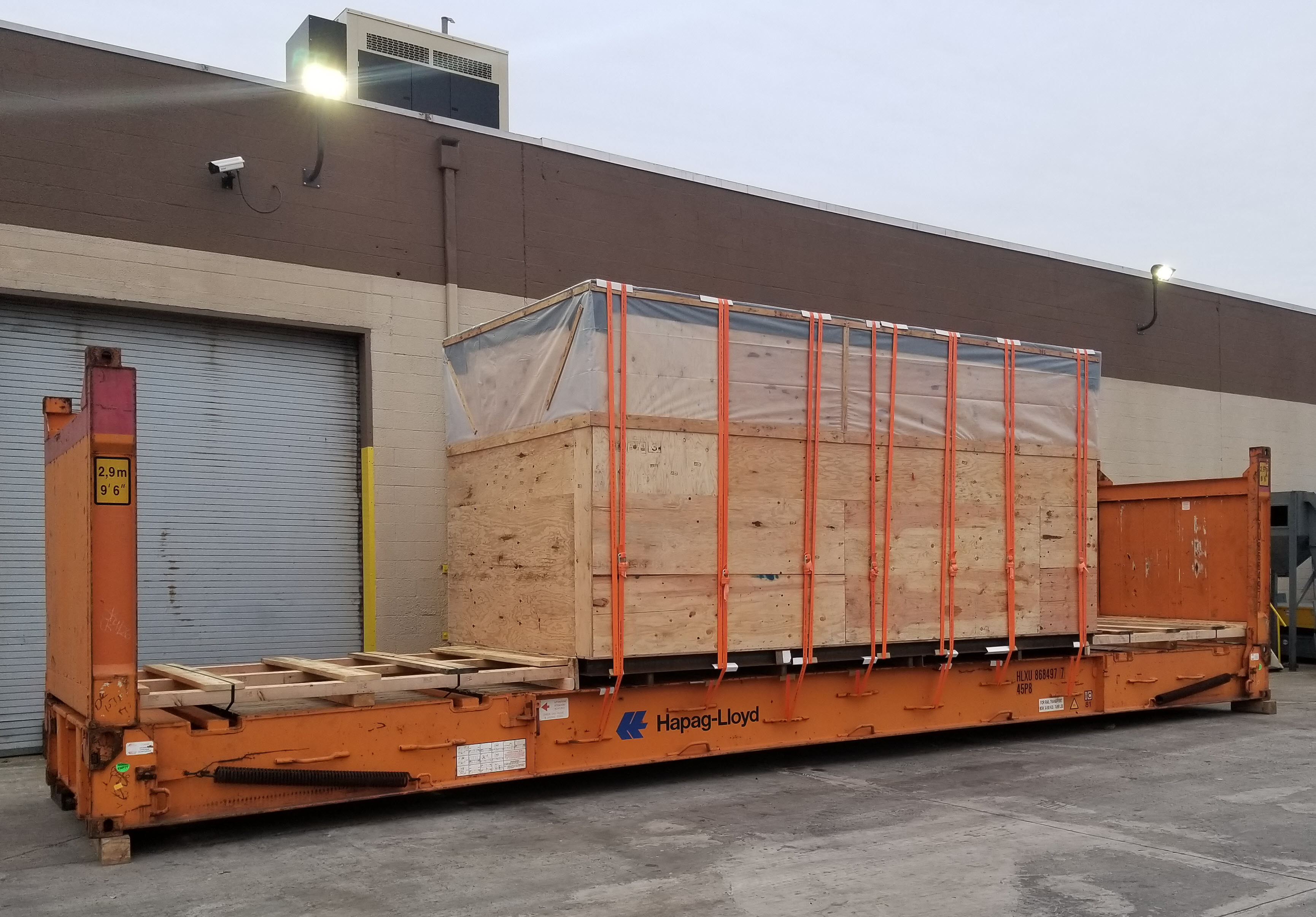
Transporting oversize cargo (also called out of gauge or OOG cargo) is a highly specialized discipline. If you don’t understand the process in detail, you could end up wasting a lot of time and money, and maybe even breaking the law. Here are six big mistakes to avoid when you’re shipping OOG cargo. We’ve divided them into over-the-road trucking and ocean freight issues.

In international out of gauge cargo shipping, equipment doesn’t fit neatly into a container. And guess what? It doesn’t fit neatly into any standard shipping process, either.
Let’s face it, the world’s cargo infrastructure is designed around shipping standard containers in a uniform way. Larger equipment falls outside the norm and adds shipping complexity, cost, and significant risk versus standard cargo. Let’s look at some of those challenges and how to address them.

A backhoe, or backhoe loader, isn't just any piece of equipment; it's a significant investment that often costs well into the six figures. Backhoes are essential in the ever-growing global construction industry. As international projects become increasingly common, so does the need to ship these valuable machines overseas. This comprehensive guide focuses on container shipping, prepping your backhoe for international transit, and optimizing the entire shipping process for efficient and cost-effective backhoe shipping.

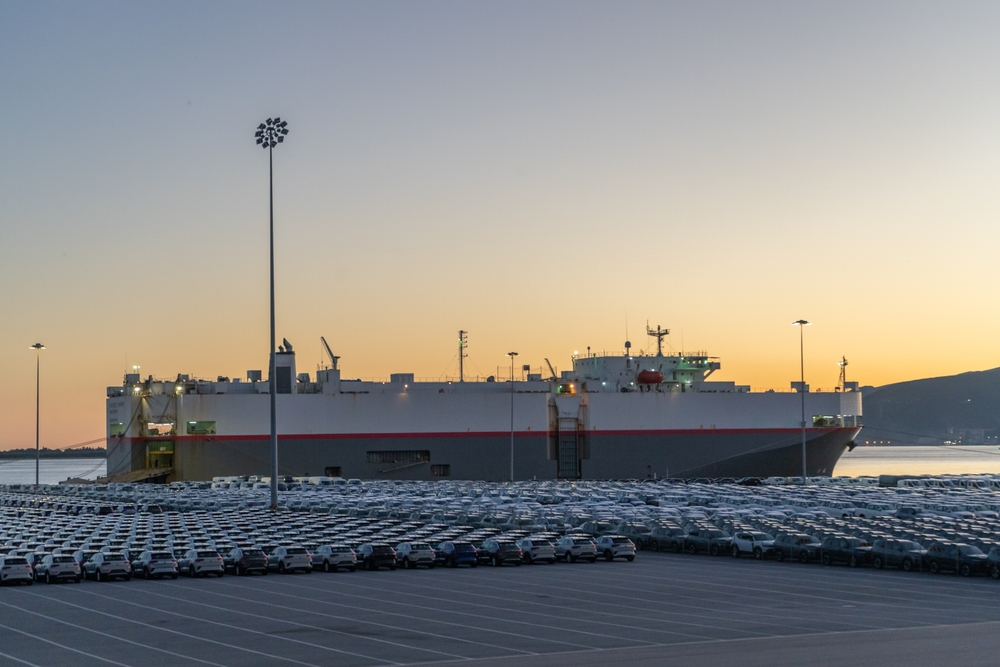
If you’re shipping a car or heavy machinery overseas – or even oversized cargo – roll-on/roll-off (RoRo) shipping is often your most efficient option for getting from Point A to Point B. The roll on and off process simplifies loading and unloading, reduces risk of damage, and often costs less than container shipping.

It’s tough enough getting small packages overseas with the speed and efficiency that’s demanded today. But international heavy machinery shipping services? That’s a whole other challenge.
If you're a company that deals with heavy machinery, you know that in some cases, shipping the machinery internationally may be more cost-effective than purchasing it locally. Or, maybe you’re a small business looking to access specialized equipment that’s only available overseas.

Ocean container shipping has become very expensive – in some cases triple what it was pre-pandemic. So, you don’t want to ship more containers than needed for your volume of freight. That requires smart ocean container loading.
Cargo that doesn’t fit in a container costs more to ship than cargo that does. It's also way more complicated to ship out of gauge cargo via ocean. A lot more rules to be followed to ensure safety and security, door to door. All that complexity creates time and headaches for shipping departments.
To ease the burden on your staff, and your wallet, we put together a detailed online eBook that covers just about every aspect of shipping out of gauge cargo globally. Link to that eBook here.