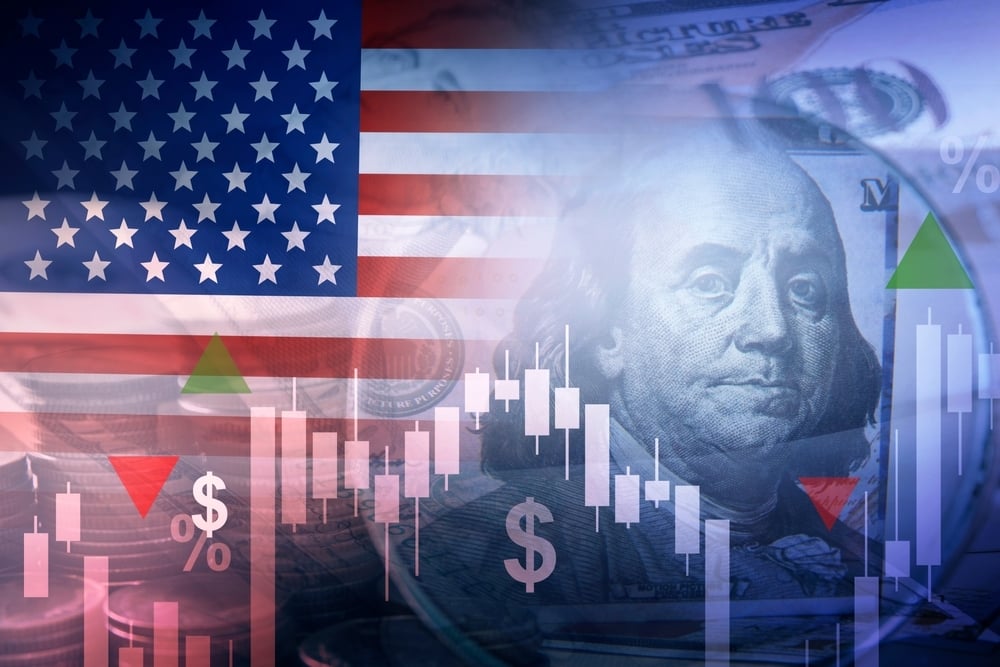
Court rulings, executive actions, shifting percentages, and administrative bottlenecks caused by the tariff situation are creating real operational and financial consequences for importers across industries.

Court rulings, executive actions, shifting percentages, and administrative bottlenecks caused by the tariff situation are creating real operational and financial consequences for importers across industries.
International shipment delays are rarely caused by one single point of failure. They can be the result of documentation errors, regulatory miscues, geopolitical shifts, extreme weather, capacity constraints, or simple miscommunication across too many handoffs.
You can ship lithium batteries – and the equipment containing them – in an ocean container, but the restrictions are getting tighter. So how do you know when you can ship lithium batteries in an ocean container?
From toothbrushes to Teslas, lithium batteries power countless items that support everyday life. The lithium-ion battery market was valued at $87.1 billion in 2025, according to Future Market Insights, and is projected to reach $377.6billion by 2035, a CAGR of 15.8%.
Here in the New Year, the sound and fury over new tariffs from the U.S., and their use as a geopolitical tool, has not quieted down but instead risen to a fever pitch. Regardless of the surrounding machinations, new and higher tariffs continue to have a significant impact on global trade. The costs are real, and companies are looking for any edge they can use to shave off tariff-related expenses.
When you bring goods into the U.S., of course you expect to pay for transportation. But as you plan an import, remember that it also costs money to clear the cargo through U.S. Customs, even when the product isn’t subject to any duties. So you need to understand the elements that make up U.S. Customs import fees, and when they’re required.
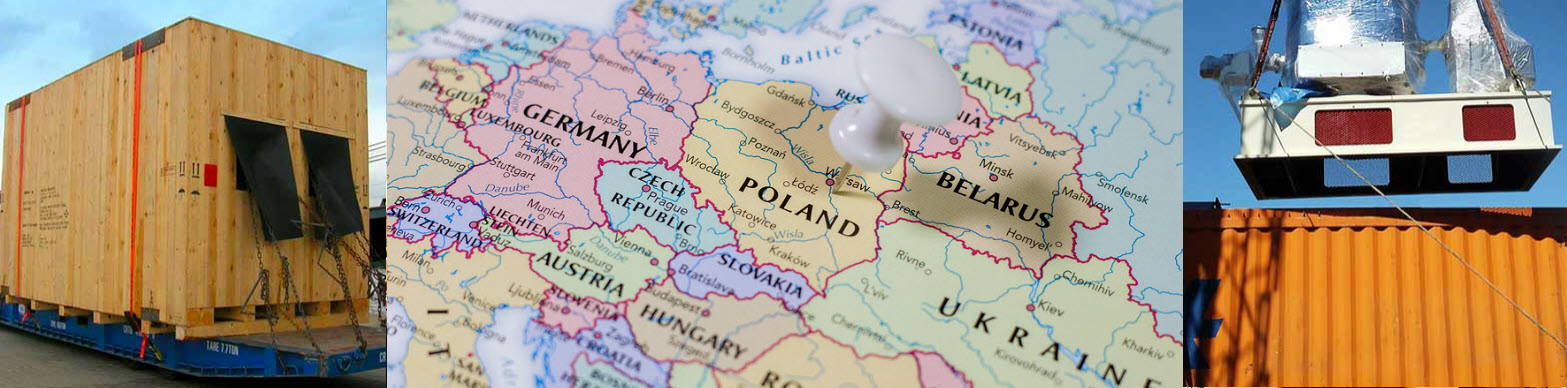
Poland has become a pivotal logistics hub in Europe, a country whose manufacturing strength, geographic position, and growing export economy have reshaped regional trade flows. Over the past decade, U.S.-Poland commercial ties have accelerated, driven by demand for industrial machinery, engineered components, advanced metals, and furniture.
The Port of New York and New Jersey is the third-busiest port in the U.S. after Los Angeles and Long Beach, and the busiest on the East Coast. In 2024, it handled approximately 8.7 million TEUs (twenty-foot equivalents), an 11.4% increase over 2023.
International freight can seem daunting for small and mid-sized businesses. Unlike many multinational corporations, which may move thousands of containers per month, you may ship only a handful. Yet you face the same complexities: port congestion, customs compliance, carrier selection, and unpredictable transit times.
If you’re moving overseas, you already have a ton on your mind: packing up your household, finding a home in your new country, maybe preparing for a new job. On top of that, you have to figure out how to move all your stuff.
For many who are relocating from the US to a country overseas, the logistics involved in transporting their worldly goods over the ocean and via truck to their new home are daunting. In addition to the stress of getting everything packed and organized on this end, arranging ocean freight, trucking to and from port, and export and customs paperwork, etc. can feel overwhelming.
219 South St., Suite 100
New Providence, NJ 07974
Tel: 732.516.9555
Toll Free: 800.241.1423
Fax: 732.516.9777