There’s no getting around it: rising tariffs on freight shipped from other countries are a fact of life for importers these days. All the more reason for you to explore international shipping tips that can reduce your total landed costs.

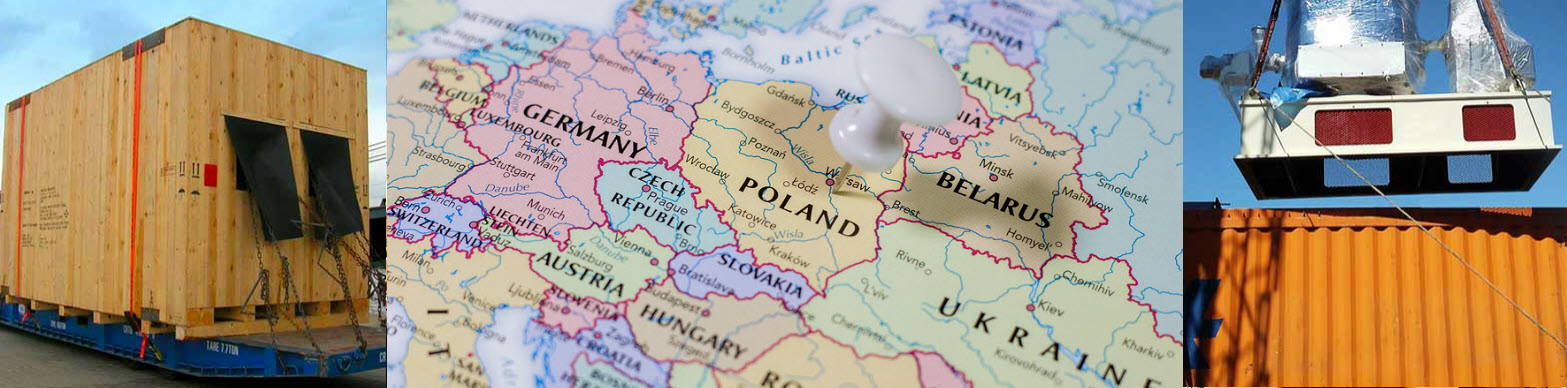
There’s no getting around it: rising tariffs on freight shipped from other countries are a fact of life for importers these days. All the more reason for you to explore international shipping tips that can reduce your total landed costs.
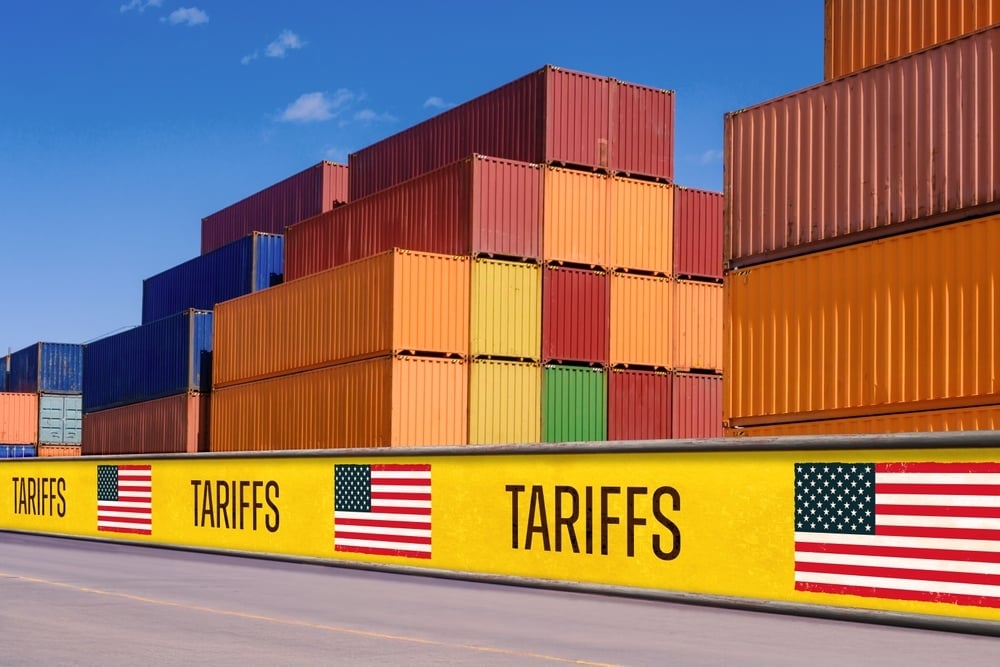
Court rulings, executive actions, shifting percentages, and administrative bottlenecks caused by the tariff situation are creating real operational and financial consequences for importers across industries.
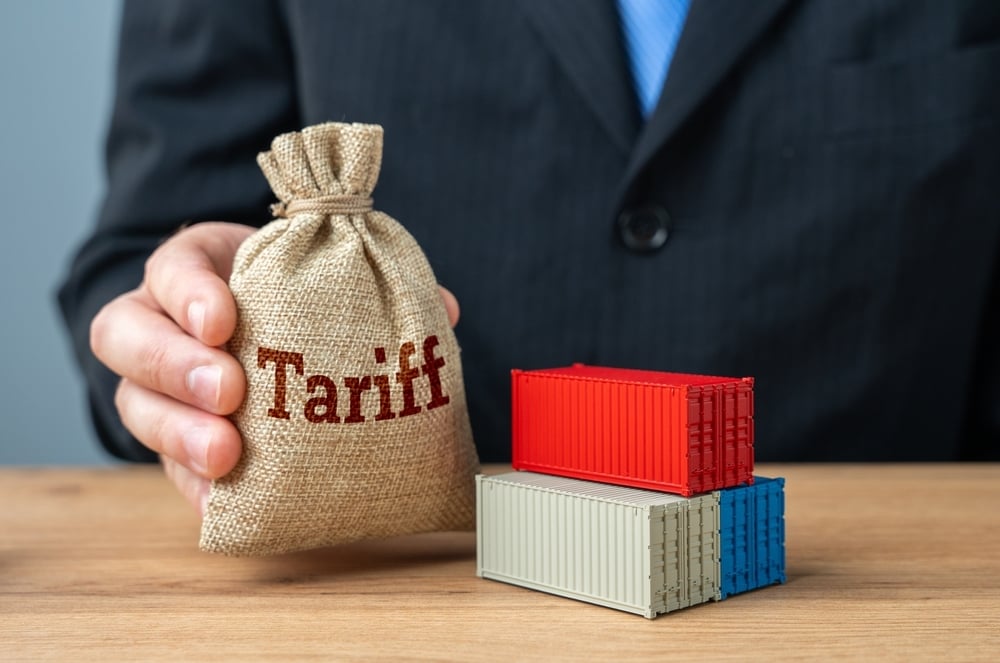
Here in the New Year, the sound and fury over new tariffs from the U.S., and their use as a geopolitical tool, has not quieted down but instead risen to a fever pitch. Regardless of the surrounding machinations, new and higher tariffs continue to have a significant impact on global trade. The costs are real, and companies are looking for any edge they can use to shave off tariff-related expenses.
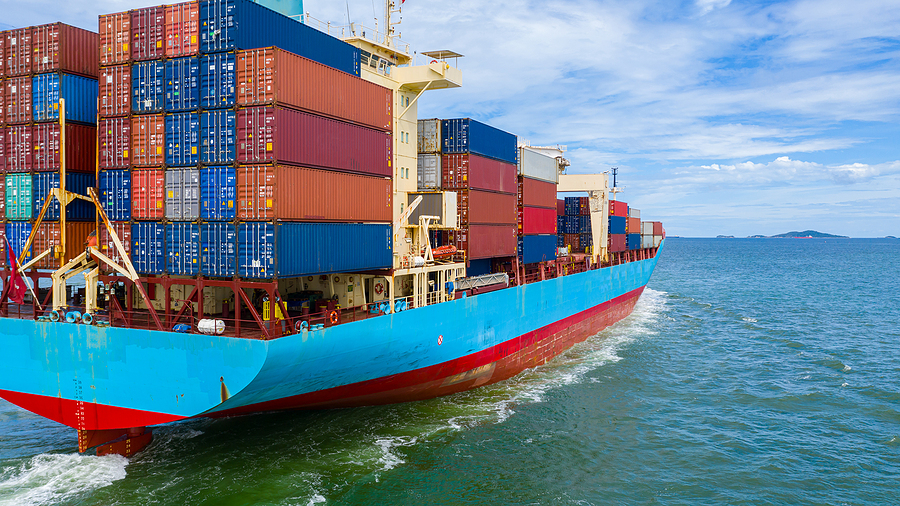
Port congestion on the West Coast is a nightmare right now, and the problem threatens to spread to other regions of the US. Port gridlock can cause long delays in supply chains, but that’s only the start of the trouble you might suffer when you can’t get containers in or out of a marine terminal. Congestion can also cost you a lot of money.
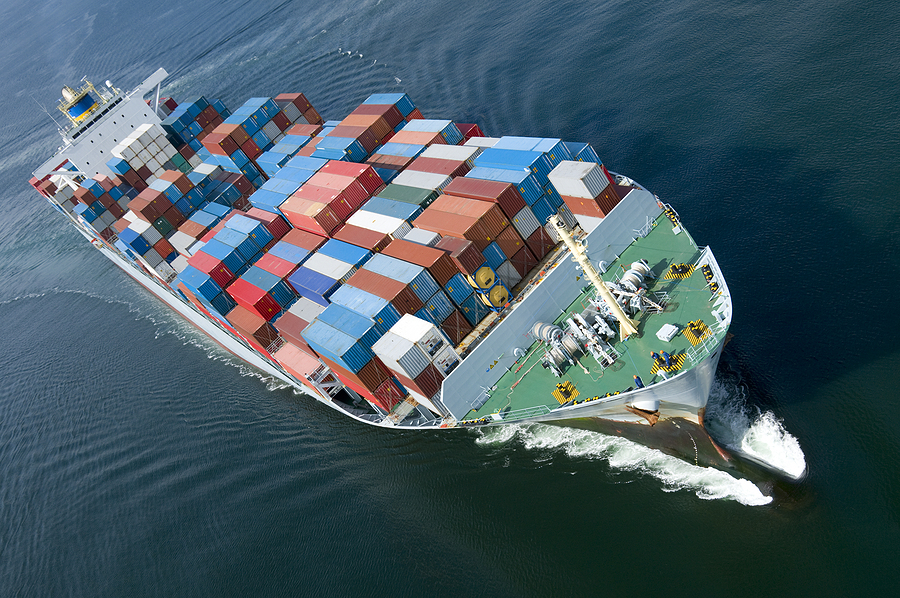
If you’ve shipped a container lately, you know that ocean freight rates are soaring. A container that might have cost $3,000 to ship from East Asia to Europe a year ago could now cost as much as $10,000. And that’s assuming you actually can find a container and book space on a vessel.
What’s going on with shipping lines these days?

The coronavirus outbreak in China is first and foremost a massive human health crisis. But the epidemic has also caused big problems for supply chains and logistics networks.
Whether or not the coronavirus has impacted you, this disaster offers important lessons about how unexpected supply chain disruptions can undermine operations, and how to minimize that risk.
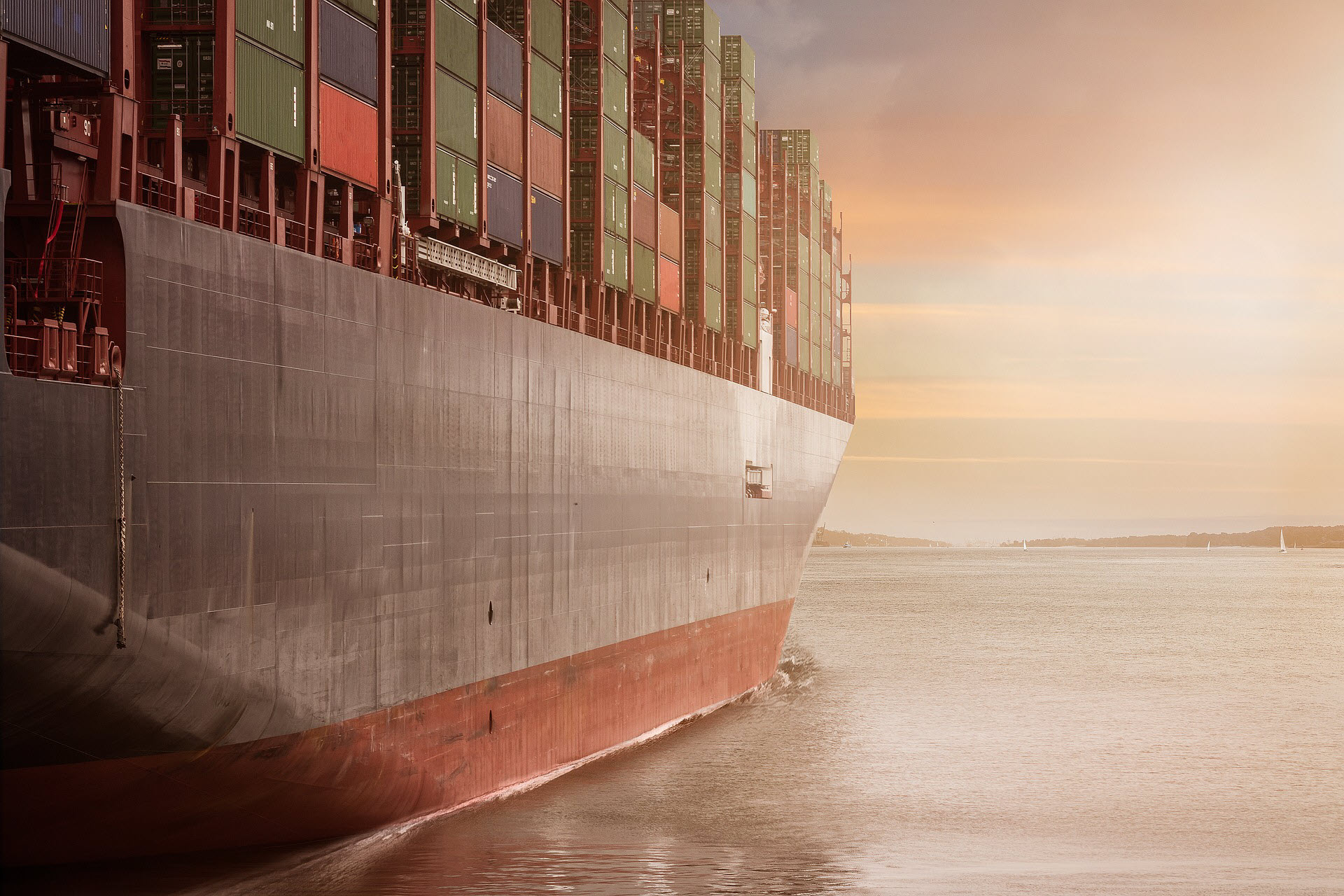
January 1, 2020 marks not just the start of a new year, but also a price hike for many companies that ship international freight. That increase comes courtesy of new ultra-low sulfur fuel regulations from the International Maritime Organization (IMO).
How can you make sure this stringent standard for cleaner fuel doesn’t take too big a bite from your budget?
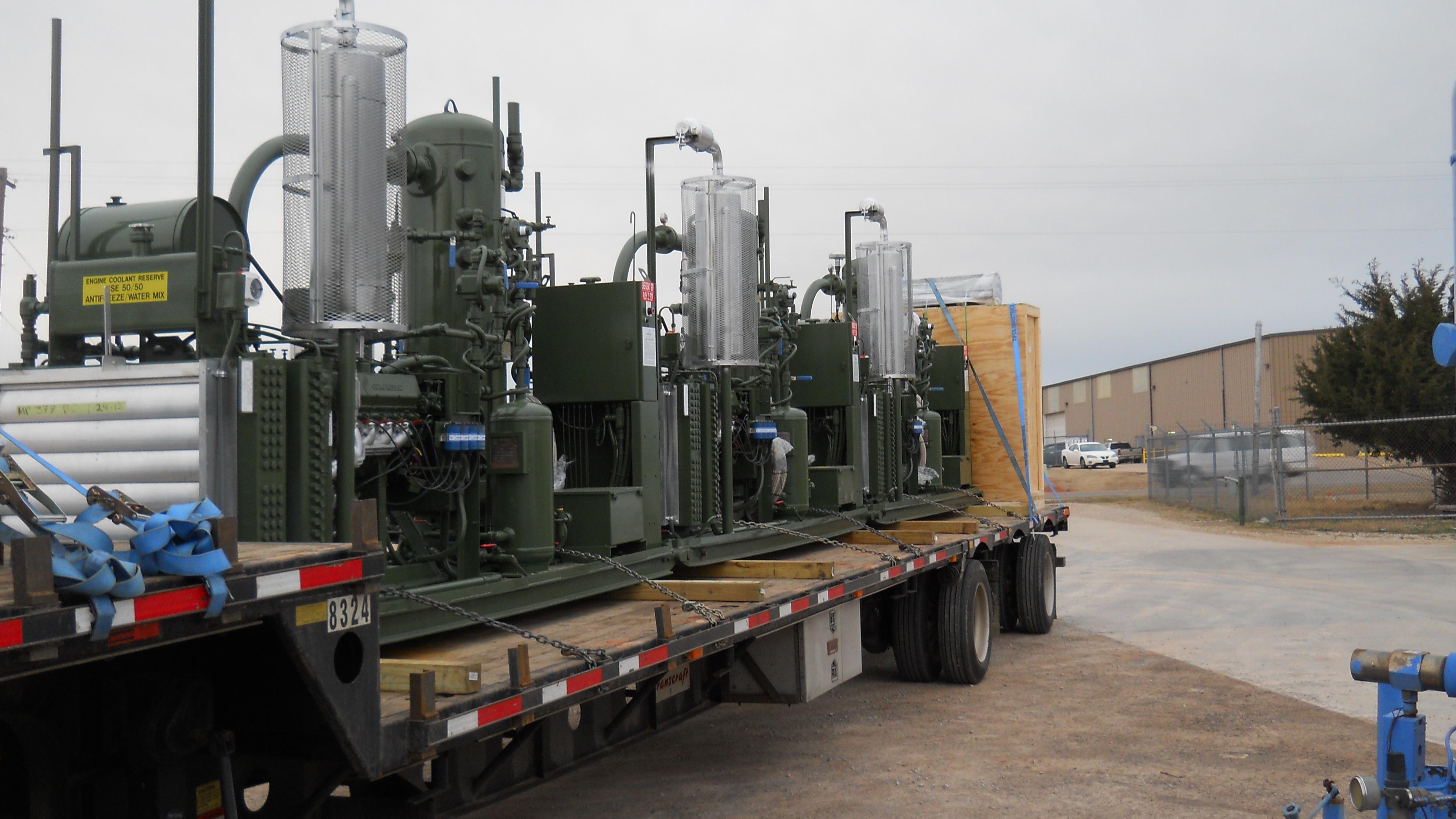
In 2016, in order to improve safety in the supply chain, the International Maritime Organization (IMO) made amendments to the Safety of Life at Sea (SOLAS) convention mandating all shippers to verify the gross mass of a packed export container prior to vessel loading.
Ocean shippers must provide this information in order to stay in compliance with VGM Regulations. Here’s a quick review of shipper responsibilities.