Importers talk a lot about “managing tariffs,” but many are not actively managing tariff exemptions. That’s a costly oversight in an environment where duty rates on some products can reach 50%-60%.

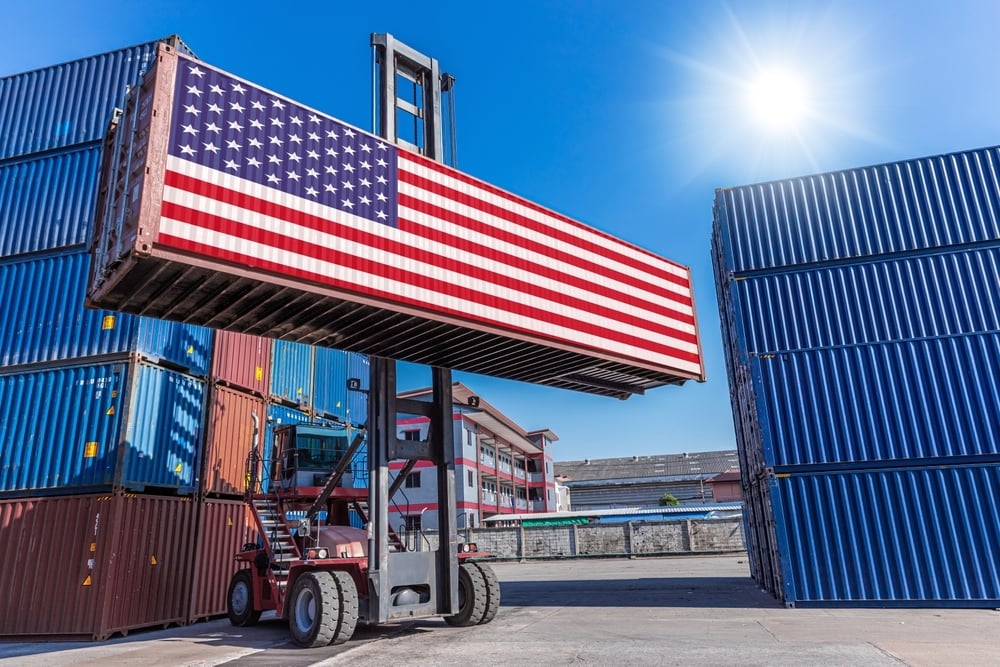
Importers talk a lot about “managing tariffs,” but many are not actively managing tariff exemptions. That’s a costly oversight in an environment where duty rates on some products can reach 50%-60%.
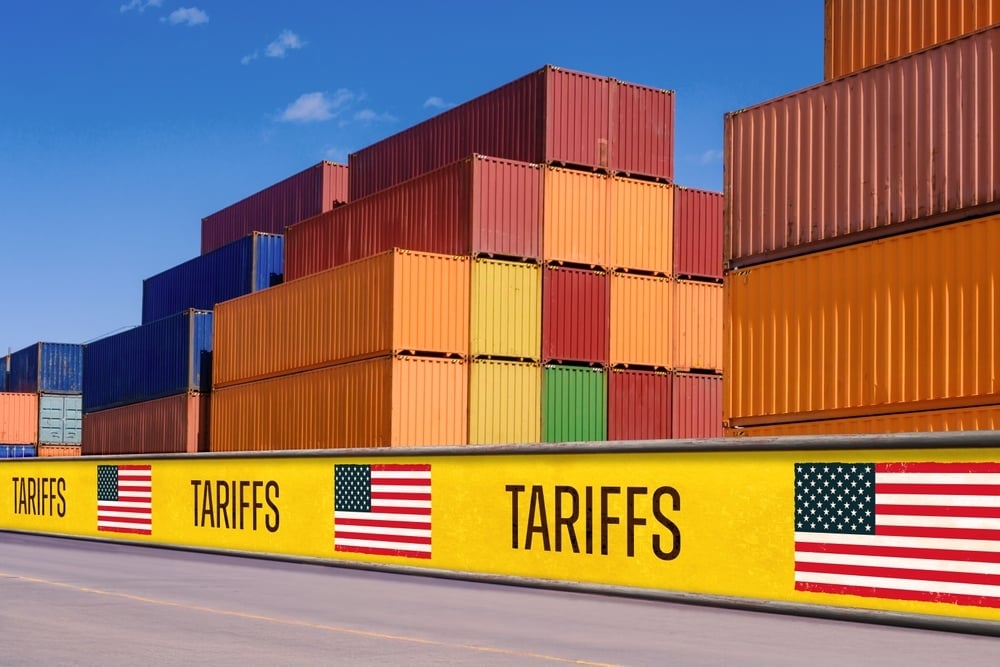
Court rulings, executive actions, shifting percentages, and administrative bottlenecks caused by the tariff situation are creating real operational and financial consequences for importers across industries.
International shipment delays are rarely caused by one single point of failure. They can be the result of documentation errors, regulatory miscues, geopolitical shifts, extreme weather, capacity constraints, or simple miscommunication across too many handoffs.
International freight can seem daunting for small and mid-sized businesses. Unlike many multinational corporations, which may move thousands of containers per month, you may ship only a handful. Yet you face the same complexities: port congestion, customs compliance, carrier selection, and unpredictable transit times.
When you’re a smaller-volume shipper importing or exporting container freight between the U.S. and Europe, the lure of working with a major freight forwarder or Non-Vessel-Operating Common Carrier (NVOCC) can be strong. At that level, they have significant leverage with the major ocean lines and can offer attractive rates for each booking. But is it possible that going the “big guy” route can prove to be penny wise yet pound foolish? What are the best types of shipping companies for small businesses? Let’s take a look under the hood.
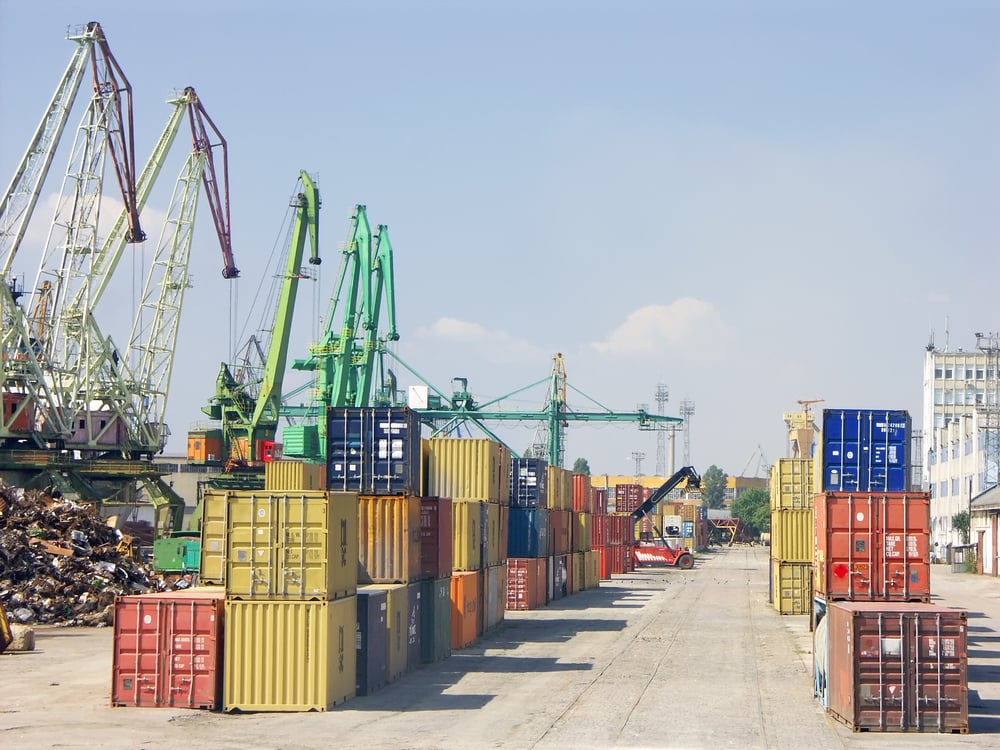
Exporting commodities to the U.S. for manufacturing involves a complex set of logistics. The goods must be properly loaded and secured in a container for the entire journey. But what about the many instances where the receiver (i.e., U.S.-based manufacturer), due to physical limitations or site restrictions, cannot accept container loads?
If you’re new to the world of freight transportation, you may be wondering what exactly a freight forwarder is, what they do, what they’re responsible for, what you as the shipper have to handle, and how forwarders differ from freight brokers and non-vessel operating common carriers (NVOCCs). Well, you’ve come to the right place. We’re going to answer the basic question of what a freight forwarder does compared to other service providers, so you can make an informed decision about purchasing freight and choosing a reliable partner.