
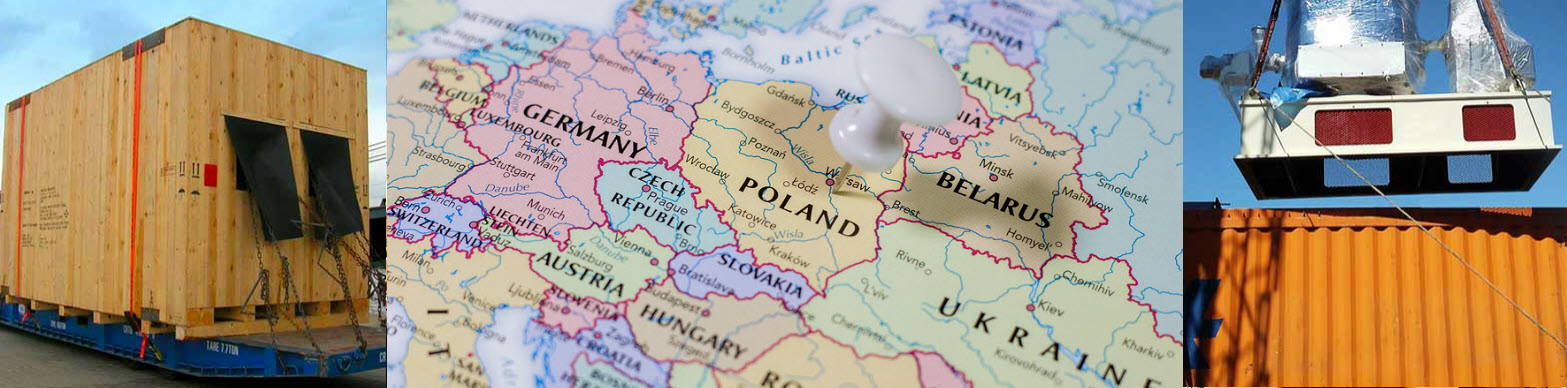
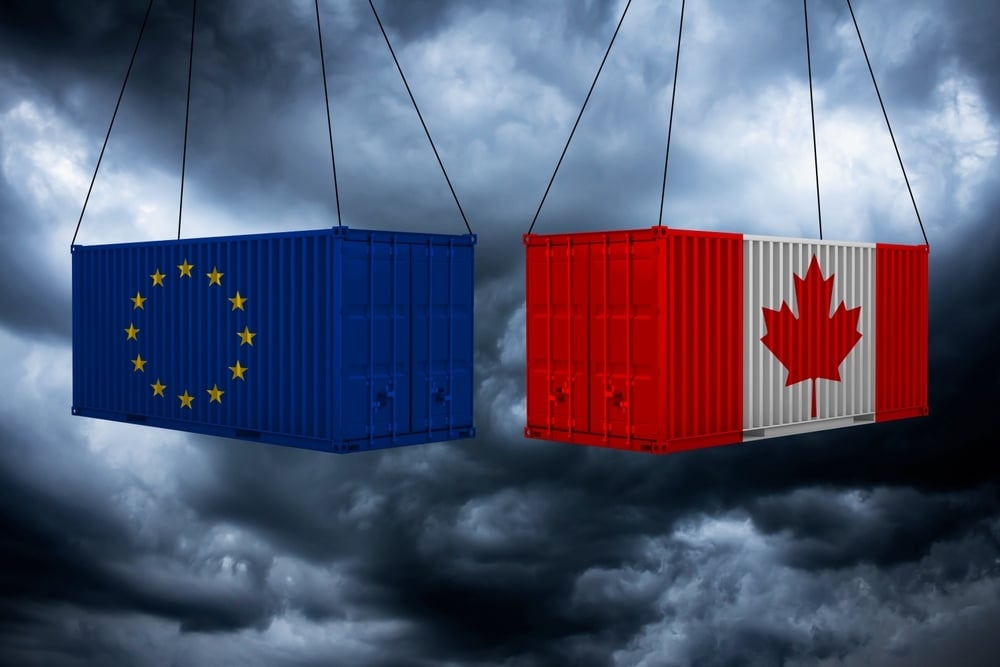
Nine of the top 25 countries that sell goods into Canada are in Europe, according to the United Nations COMTRADE database on international trade, with 15% of its imports coming from there. If you want to learn how to make shipping from Europe to Canada more profitable through efficient global transportation, here’s a quick guide.
Customs clearance is one of the most important, and potentially confusing, parts of importing goods into the United States.
A classification mistake, missing document, or late filing can delay the release of your shipment and lead to storage charges, penalties, and unhappy customers. You must also navigate changing tariffs, customs bonds, government agency requirements, and the possibility of a customs exam.

There’s no getting around it: rising tariffs on freight shipped from other countries are a fact of life for importers these days. All the more reason for you to explore international shipping tips that can reduce your total landed costs.
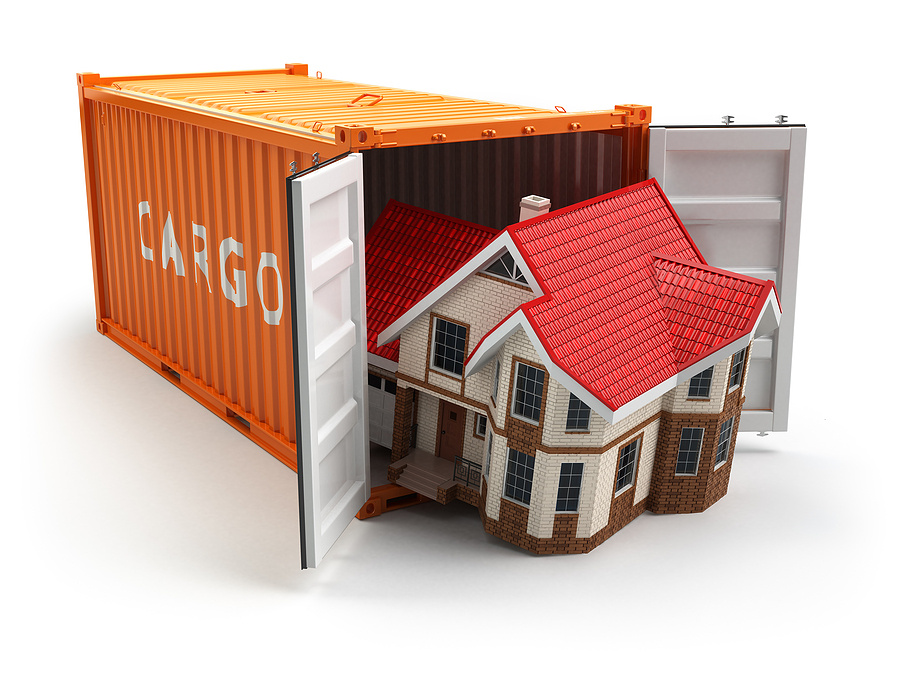
So you’ve decided it’s time to pick up stakes and transplant from the good old USA to a new home over the water. Maybe it’s to fulfill a lifelong dream to relocate to your country of origin in retirement, or you’re following a golden business opportunity. Whatever the case, as you make your plans you want to keep costs as low as possible. So let’s look at the cheapest way to ship your personal belongings overseas.
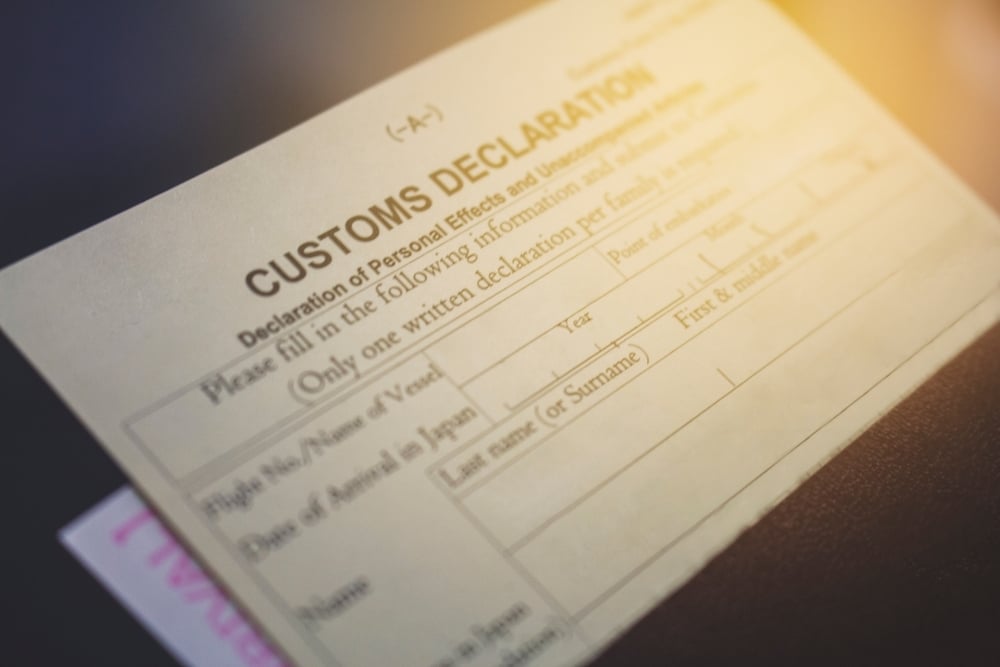
As a small business that’s importing goods into the U.S., where do customs brokerage services come into the picture?
In the world of cross-border commerce, it’s important to note that different parties have clearly defined roles to expedite the process and manage the many important details. This ensures that there is as little friction as possible during an international shipment. The role of the exporter of record is certainly key in the shipping and customs process, so we’ll take some time to break it down.
For shippers of air freight, the Transportation Security Administration (TSA) runs a program called the Known Shipper Management System (KSMS), commonly known as the TSA Known Shipper program. We’ve pulled together brief answers to the questions we get most often about the program.
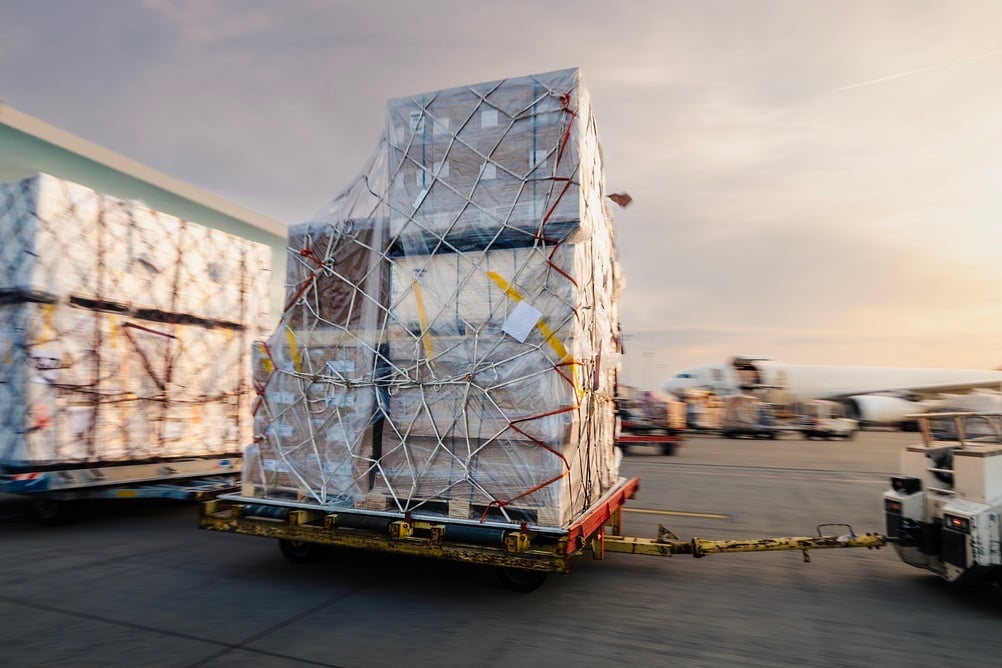
When exporting goods from the U.S., there are two main Transportation Security Administration (TSA) cargo screening programs set up to ensure the security and safety of air cargo. A separate program run by U.S. Customs and Border Protection (CBP), in conjunction with TSA, handles security and screening for imported cargo arriving in the U.S.