If you're an importer, you're familiar with the many regulations and requirements that govern the global movement of goods. One of these requirements is the Importer Security Filing, or ISF.


If you're an importer, you're familiar with the many regulations and requirements that govern the global movement of goods. One of these requirements is the Importer Security Filing, or ISF.
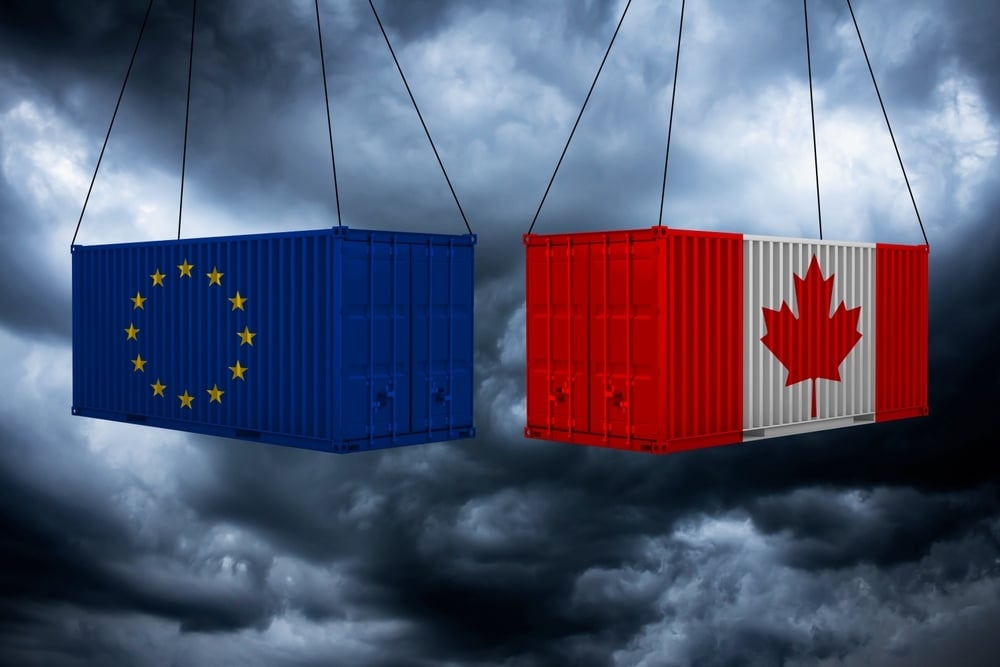
Nine of the top 25 countries that sell goods into Canada are in Europe, according to the United Nations COMTRADE database on international trade, with 15% of its imports coming from there. If you want to learn how to make shipping from Europe to Canada more profitable through efficient global transportation, here’s a quick guide.

There’s no getting around it: rising tariffs on freight shipped from other countries are a fact of life for importers these days. All the more reason for you to explore international shipping tips that can reduce your total landed costs.
Importers talk a lot about “managing tariffs,” but many are not actively managing tariff exemptions. That’s a costly oversight in an environment where duty rates on some products can reach 50%-60%.
International shipment delays are rarely caused by one single point of failure. They can be the result of documentation errors, regulatory miscues, geopolitical shifts, extreme weather, capacity constraints, or simple miscommunication across too many handoffs.

You can ship lithium batteries – and the equipment containing them – in an ocean container, but the restrictions are getting tighter. So how do you know when you can ship lithium batteries in an ocean container?
From toothbrushes to Teslas, lithium batteries power countless items that support everyday life. The lithium-ion battery market was valued at $87.1 billion in 2025, according to Future Market Insights, and is projected to reach $377.6billion by 2035, a CAGR of 15.8%.

Here in the New Year, the sound and fury over new tariffs from the U.S., and their use as a geopolitical tool, has not quieted down but instead risen to a fever pitch. Regardless of the surrounding machinations, new and higher tariffs continue to have a significant impact on global trade. The costs are real, and companies are looking for any edge they can use to shave off tariff-related expenses.
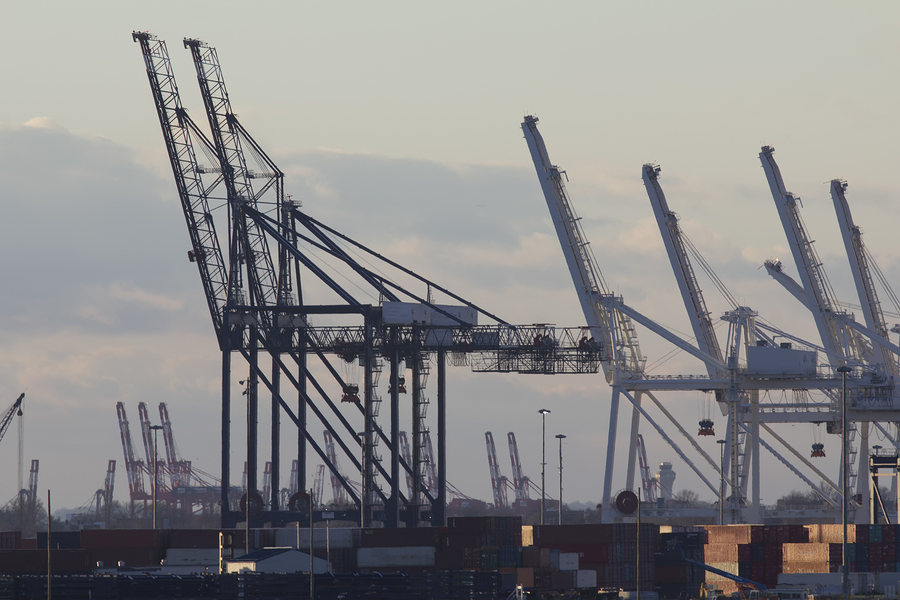
The Port of New York and New Jersey is the third-busiest port in the U.S. after Los Angeles and Long Beach, and the busiest on the East Coast. In 2024, it handled approximately 8.7 million TEUs (twenty-foot equivalents), an 11.4% increase over 2023.
International freight can seem daunting for small and mid-sized businesses. Unlike many multinational corporations, which may move thousands of containers per month, you may ship only a handful. Yet you face the same complexities: port congestion, customs compliance, carrier selection, and unpredictable transit times.
When you’re a smaller-volume shipper importing or exporting container freight between the U.S. and Europe, the lure of working with a major freight forwarder or Non-Vessel-Operating Common Carrier (NVOCC) can be strong. At that level, they have significant leverage with the major ocean lines and can offer attractive rates for each booking. But is it possible that going the “big guy” route can prove to be penny wise yet pound foolish? What are the best types of shipping companies for small businesses? Let’s take a look under the hood.